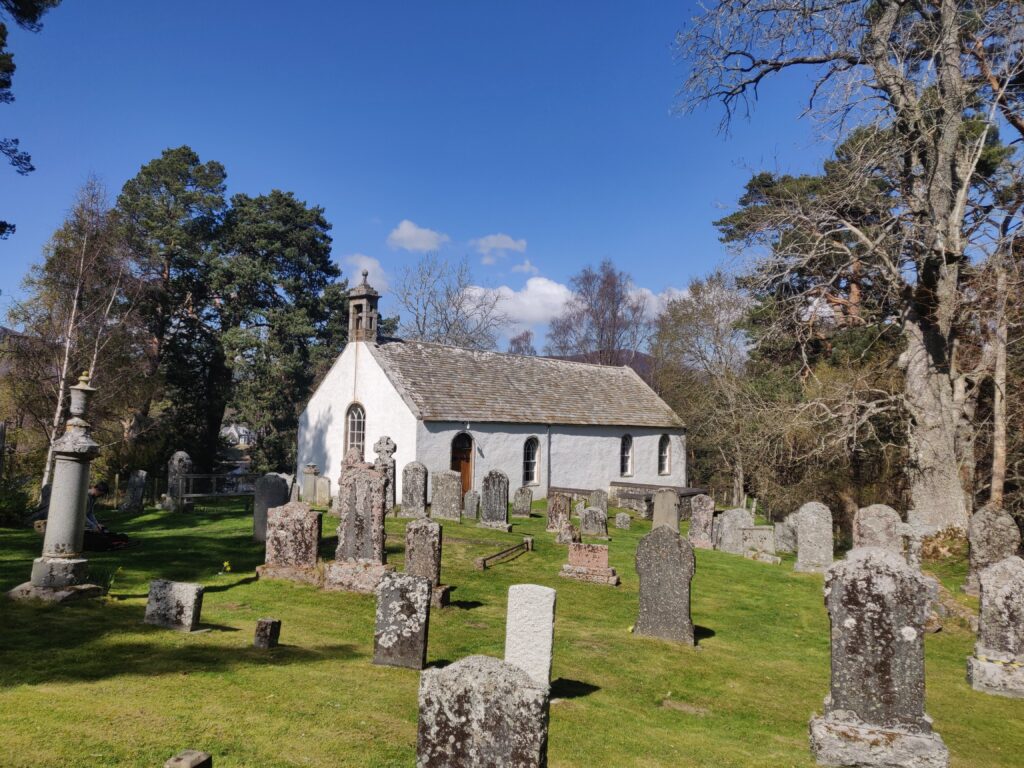
Constitution
Contents
GENERAL
Definitions
Name
Type of organisation
Principal Office
Definition of Community and Purposes
Purposes
Powers
General Structure
MEMBERS
Qualifications for membership
Application for membership
Minimum number of Members
Membership subscriptions
Re-registration of Members
Liability of Members
Duties of Members
Cessation of membership
Register of Members
DECISION-MAKING BY THE MEMBERS
Annual General Meetings (AGMs)
Extra-Ordinary General Meetings (EGMs)
Provisions with regard to all General Meetings
Chairperson of General Meetings
Quorum at General Meetings
Voting at General Meetings
Resolutions at General Meetings
Meeting Adjournment at General Meetings
Organisation management
BOARD (CHARITY TRUSTEES)
Interim Board
Number of Charity Trustees
Eligibility
Election, retiral, re-election
General duties of Charity Trustees
Code of conduct of Charity Trustees
Register of Charity Trustees
Termination of Charity Trustee office
Office-bearers
DECISION-MAKING BY THE CHARITY TRUSTEES
Board meetings
Voting at Board meetings
Minutes
Sub-committees
ADMINISTRATION & FINANCE
Constraints on payments/benefits to Members and Charity Trustees
Personal interest & conflict of interest
Finances & accounts
Notices
Indemnity
Alteration to the Constitution
Dissolution
GENERAL
Definitions
In this constitution, the following definitions apply throughout:
- “AGM” means an Annual General Meeting.
- “Board” means the Board of Charity Trustees.
- “Charity” means a body entered in the Scottish Charity Register as defined under section 106 of the Charities and Trustee Investment (Scotland) Act 2005.
- “Charity Trustees” means the persons having the general control and management of the Organisation (the Board).
- “Circulation Date” means the date on which copies of the written resolution are sent to the Members, as defined in clause 48c).
- “Clauses” means any clause in this constitution.
- “Clear Days” means a period excluding the day when notice is given and the day of the meeting.
- “Co-opted Charity Trustee” means a Charity Trustee appointed by the Board between AGMs.
- “EGM” means an Extra-Ordinary General Meeting which is called for a specific purpose to deal with matters that come up between AGMs.
- “Elected Charity Trustee” means a Charity Trustee elected by the Members at an AGM.
- “GM” means any General Meeting of the Members of the Organisation and refers to an AGM or EGM.
- “Group” means those other organisations (incorporated or not) which are not this Organisation (SCIO).
- “Hybrid Meeting” means a meeting that involves a mixture of in-person and remote attendees. Remote attendees join the meeting via a virtual meeting platform, such as Microsoft Teams or Zoom, or other conference call facility.
- “Individual” means a human/person.
- “Land Reform (Scotland) Act 2016” means the Land Reform (Scotland) Act 2016 and every statutory modification or re-enactment thereof for the time being in force.
- “Members” means those Individuals who have joined this Organisation.
- “Organisation” means the SCIO to whom this Constitution relates.
- “OSCR” means Office of the Scottish Charity Regulator.
- “Property” means any property, assets or rights, heritable or moveable, wherever situated in the world belonging to the Organisation.
- “Purposes” means the purposes as set out in clause 5.
- “SCIO” means Scottish Charitable Incorporated Organisation.
- “The 2005 Act” means the Charities and Trustee Investment (Scotland) Act 2005 and every statutory modification and re-enactment thereof for the time being in force.
- “Them”, “Their” or “They” means an Individual or a Group.
- “Virtual Meeting” means a meeting which takes place online, wholly over an internet connection, via a virtual meeting platform, such as Microsoft Teams or Zoom, or other conference call facility.
Name
| 1 | The name of the Organisation is Loch Insh Old Kirk (SCIO) |
Type of organisation
| 2 | The Organisation will, upon registration, be a Scottish Charitable Incorporated Organisation (SCIO). |
Principal Office
| 3 | The principal office of the Organisation will be in Scotland (and must remain in Scotland). |
Definition of Community and Purposes
| 4 | The Organisation has been formed to primarily benefit those residing within the areas as defined by the postcode districts PH20, PH21 and PH22 (“the Community”) and visitors, with the purposes listed in Clause 5 (“the Purposes”), to be exercised following the principles of sustainable development (where sustainable development means development which meets the needs of the present without compromising the ability of future generations to meet their own needs). |
Purposes
| 5 | The Organisation has been formed with the following Purposes: | ||||||||||||||||||
|
Powers
| 6 | The SCIO has the power to do anything which is calculated to further its Purposes or is conducive or incidental to doing so. | ||||||||||||||||||||||||||||||||||||||||||||||||
| In particular, but without limiting the range of powers available under the 2005 Act, the SCIO has the power: | |||||||||||||||||||||||||||||||||||||||||||||||||
|
|||||||||||||||||||||||||||||||||||||||||||||||||
| 7 | No part of the income or Property of the Organisation may be paid or transferred (directly or indirectly) to the Members – either in the course of the Organisation’s existence or on dissolution – except where this is done in direct furtherance of the Organisation’s Purposes. | ||||||||||||||||||||||||||||||||||||||||||||||||
| 8 | Any surplus income or assets of the Organisation are to be applied for the benefit of the Community. |
General Structure
| 9 | The structure of the Organisation comprises: | ||||
| the Members – who have the right to attend any GM and have important powers under this constitution; in particular, Members appoint people to serve on the Board and take decisions on changes to the constitution itself; and | |||||
| the Board of Trustees comprising: | |||||
|
|||||
| which holds regular meetings, sets the strategy and policy of the Organisation, generally controls and supervises the activities of the Organisation and, in particular, is responsible for monitoring its financial position and, where there are no employees appointed, is responsible also for the day-to-day management of the Organisation. | |||||
| 10 | The people serving on the Board are referred to in this constitution as CHARITY TRUSTEES. |
MEMBERS
Qualifications for membership
| 11 | MEMBERSHIP is open to any Individual (subject to clause 15) who supports the aims and activities of the Organisation under the following categories: | ||||||||||||||||||||
| |||||||||||||||||||||
| 12 | Employees of the Organisation are eligible for membership but are not eligible to sit on the Board of Trustees. | ||||||||||||||||||||
| 13 | All Members are subject to the Constitution of the Organisation and by joining the Organisation, will be deemed to accept the rules and bye-laws and any codes of conduct that the Organisation has adopted. | ||||||||||||||||||||
| 14 | Membership of the Organisation may not be transferred by a Member. |
Application for membership
| 15 | Any Individual wishing to become a Member, must submit an application for membership made in such written or electronic form as the Board shall prescribe, together with the appropriate subscription fee. | ||||
| 16 | The Board shall promptly consider applications for membership, determining into which category of membership each applicant shall belong. Immediately thereafter, the Board shall approve any valid application provided the applicant: | ||||
| |||||
| The Board will then inform the applicant of the Board’s decision. |
Minimum number of Members
| 17 | The minimum number of Members is 11 (eleven); in the event that the number of Members falls below 11 (eleven), the Board may not conduct any business other than to ensure the admission of sufficient Members to achieve the minimum number. |
Membership subscriptions
| 18 | The Members may vary the amount of the annual membership subscription and/or the date on which it falls due in each year, by way of an ordinary resolution to that effect passed at an AGM. |
| 19 | If a membership subscription is payable by any Member, but remains outstanding more than 4 (four) weeks after the date on which it fell due (and providing they have been given at least 1 (one) written reminder) the Board may, by resolution to that effect, expel them from membership; for the avoidance of doubt, it will be open to an Individual expelled from membership under this article to reapply for membership if they so wish. |
| 20 | An Individual who ceases (for whatever reason) to be a Member shall not be entitled to any refund of the membership subscription. |
Re-registration of Members
| 21 | The Board may, at any time, issue notices to the Members requiring them to confirm that they wish to remain as Members of the Organisation, and allowing them a period of 28 (twenty-eight) days (running from the date of issue of the notice) to provide that confirmation to the Board. |
| 22 | If a Member fails to provide confirmation to the Board (in writing or by e-mail) that they wish to remain as a Member of the Organisation before the expiry of the 28 (twenty-eight) day period referred to in clause 21, the Board shall expel them from the membership. |
| 23 | A notice under clause 21 will not be valid unless it refers specifically to the consequences (under clause 22) of failing to provide confirmation within the 28 (twenty-eight) day period. |
Liability of Members
| 24 | The Members of the Organisation have no liability to pay any sums to help to meet the debts (or other liabilities) of the Organisation if it is wound up; accordingly, if the Organisation is unable to meet its debts, the Members will not be held responsible. |
| 25 | The Members and Charity Trustees have certain legal duties under the Charities and Trustee Investment (Scotland) Act 2005; and clause 24 does not exclude (or limit) any personal liabilities they might incur if they are in breach of those duties or in breach of other legal obligations or duties that apply to them personally. |
Duties of Members
| 26 | Members must act in the interests of the SCIO and seek, in good faith, to ensure the SCIO acts in a manner which is consistent with its Purposes. At a practical level, those powers are most likely to apply when Members are considering changes to the constitution or taking part in elections of Charity Trustees. |
Cessation of membership
| 27 | A Member shall cease to be a Member if: | ||||||||||
|
|||||||||||
| 28 | Notwithstanding clause 27, the Board reserves the right to immediately suspend or terminate the membership of any Individual who has acted in a manner contrary to the Organisation’s policy documents. This action should be conducted in line with the Organisation’s disciplinary procedure. |
Register of Members
| 29 | The Board must keep a register of Members, setting out for each current Member: | ||||||
| |||||||
| 30 | For each former Member, for at least 6 (six) years from the date they ceased to be a Member, the register must also contain: | ||||||
| |||||||
| 31 | The Board must ensure that the Register of Members is updated within 28 (twenty-eight) days of receiving notice of any change. | ||||||
| 32 | If a Member or Charity Trustee of the Organisation requests a copy of the register of Members, the Board must ensure that a copy is supplied to them within 28 (twenty-eight) days, providing the request is reasonable; if the request is made by a Member (rather than a Charity Trustee), the Board may provide a copy which has the addresses and any other contact details of the Members blanked out. |
DECISION-MAKING BY THE MEMBERS
Annual General Meetings (AGMs)
| 33 | The Board shall convene an AGM for all Members in each year, at such time as it may determine, although the first AGM need not be held in the first year provided that it is held within 15 (fifteen) months from the date on which OSCR enters the Organisation in the Scottish Charity Register. Thereafter, not more than 15 (fifteen) months shall elapse between one AGM and the holding of the next. | ||||||||||||||
| 34 | The business of each AGM must include: | ||||||||||||||
|
Extra-Ordinary General Meetings (EGMs)
| The following applies to EGMs. | |||||||
| 35 | The Board may convene an EGM whenever it thinks fit. | ||||||
| 36 | The Board must convene an EGM within 28 (twenty-eight) days of a valid requisition. To be valid, such requisition must: | ||||||
|
|||||||
Provisions with regard to all General Meetings
| 37 | The Board may make any arrangements in advance of any GM to allow all Members to fully participate in such meetings, including Hybrid or Virtual meetings, so long as all those participating in the meeting can clearly comprehend each other; a Member participating in any such means other than in person shall be deemed to be present in person at the meeting. | ||||||||||||||||
| 38 | Subject to the terms of clause 108 the provisions regarding notice of a GM are as follows: | ||||||||||||||||
|
Chairperson of General Meetings
| 39 | The Chairperson of the Organisation shall act as chairperson of each GM. If the Chairperson is not present or willing to act as chairperson of the meeting within 15 (fifteen) minutes after the time at which the meeting in question was due to commence, the Charity Trustees present shall elect from among themselves one of the Elected Charity Trustees who will act as chairperson of that meeting. |
Quorum at General Meetings
| 40 | The quorum for a GM is 11 (eleven) persons eligible to vote, each being a Member or a proxy for a Member. No business shall be dealt with at any meeting unless a quorum is present. |
| 41 | If a quorum is not present within 15 (fifteen) minutes after the time at which the GM was due to commence or, if during a meeting a quorum ceases to be present, the meeting shall stand adjourned to such time, date and place as may be fixed by the chairperson of the meeting. |
Voting at General Meetings
| 42 | The chairperson of the GM shall endeavour to achieve consensus wherever possible but, if necessary, questions arising shall be decided by being put to the vote. | ||||||||||||||||||||||||||
| 43 | The provisions regarding voting are as follows: | ||||||||||||||||||||||||||
|
Resolutions at General Meetings
| 44 | At any GM, a resolution put to the vote of the meeting shall be voted upon by a simple majority of the Members who are present and voting thereon (including those voting by proxy), except for decisions relating to any of the following special resolutions: | ||||||||||||||||
| |||||||||||||||||
| Special resolutions shall require to be decided upon by not less than 75% of the eligible Members present and voting thereon (including those voting by proxy) (no account therefore being taken of Members who abstain from voting or who are absent from the meeting). | |||||||||||||||||
| 45 | Ordinary and special resolutions may be passed in writing, rather than at a GM provided that the terms of clause 44 are followed. | ||||||||||||||||
| 46 | An ordinary resolution in writing signed by or on behalf of a simple majority of all the Members shall be as valid and effective as if the same had been passed at a GM of the Organisation duly convened and held, provided that the terms of clause 48 are followed. | ||||||||||||||||
| 47 | A special resolution in writing signed by or on behalf of not less than 75% of all the Members shall be as valid and effective as if the same had been passed at a meeting of the Organisation duly convened and held, provided that the terms of clause 48 are followed. | ||||||||||||||||
| 48 | Where a written resolution is proposed by Members, the following shall apply: | ||||||||||||||||
|
Meeting Adjournment at General Meetings
| 49 | If a GM is not quorate after 15 (fifteen) minutes, then clause 41 shall apply. |
| 50 | For any other reason, the chairperson of a GM may, with the consent of a majority of the Members present and voting thereat, adjourn the meeting to such time, date and place as they may determine. |
Organisation management
| 51 | The affairs, Property and funds of the Organisation shall be directed and managed by the Board. |
| 52 | The Board may exercise all such powers of the Organisation and may, on behalf of the Organisation, do all acts as may be exercised and done by the Organisation, other than those required to be exercised or done by the Members at a GM and subject always to these Clauses and to the provisions of the 2005 Act. |
BOARD (CHARITY TRUSTEES)
Interim Board
| 53 | Upon incorporation of the Organisation the following applies with regard to the Interim Board. The Individuals who signed the Charity Trustee declaration forms which accompanied the application for incorporation of the Organisation shall be deemed to have been appointed by the Members as Charity Trustees with effect from the date of incorporation of the Organisation. |
Number of Charity Trustees
| 54 | The maximum number of Charity Trustees is 11 (eleven) and the minimum number of Charity Trustees is 4 (four). |
| 55 | At all times Charity Trustees elected under the provision of clause 58 shall be in the majority. |
Eligibility
| 56 | An Individual will not be eligible for election or appointment to the Board unless they are a Member of the Organisation. | ||||
| 57 | A Member will not be eligible for election or appointment to the Board if they are: | ||||
|
Election, retiral, re-election
| 58 | At each AGM, the Members may elect any Ordinary Member (unless they are ineligible for election under clauses 56 or 57) to be an Elected Charity Trustee. | ||||||
| 59 | The Board may, at any time, appoint any Member (unless they are ineligible for appointment under clauses 56 or 57) to be a Co-opted Charity Trustee. | ||||||
| 60 | At each AGM, all of the Charity Trustees shall retire from office – but shall then (subject to clause 57 and unless removed under clauses 73g) or 73h)) be eligible for re-election. | ||||||
| 61 | A Charity Trustee retiring at an AGM will be deemed to have been re-elected unless: | ||||||
| |||||||
| 62 | Elected Charity Trustees must be nominated in writing by at least 2 (two) Members, under such a process that the Board shall prescribe. Such nominations must contain confirmation from the nominee that they are willing to act as an Elected Charity Trustee and must be delivered to the registered office of the Organisation in accordance with the prescribed process. | ||||||
| 63 | The election of any Elected Charity Trustee shall be by vote of the eligible Members, each eligible Member having 1 (one) vote for each vacancy of the Elected Charity Trustees on the Board. |
General duties of Charity Trustees
| 64 | Each of the Charity Trustees has a duty, in exercising functions as a Charity Trustee, to act in the interests of the Organisation; and in particular must: | ||||||||||
| |||||||||||
| 65 | In addition to the duties outlined in clause 64, all of the Charity Trustees must take such steps as are reasonably practicable for the purpose of ensuring: | ||||||||||
|
Code of conduct of Charity Trustees
| 66 | Each of the Charity Trustees shall comply with the Code of Conduct (incorporating detailed rules on conflict of interest) prescribed by the Board from time to time. |
| 67 | The Code of Conduct referred to in clause 66 shall be supplemental to the provisions relating to the conduct of Charity Trustees contained in this constitution and the duties imposed on Charity Trustees under the 2005 Act; and all relevant provisions of this constitution shall be interpreted and applied in accordance with the provisions of the Code of Conduct in force from time to time. |
Register of Charity Trustees
| 68 | The Board must keep a register of Charity Trustees, setting out for each current Charity Trustee: | ||||||||||||||
| |||||||||||||||
| 69 | Where the Charity Trustee is appointed by OSCR under section 70A of the 2005 Act, this must be recorded in the register. | ||||||||||||||
| 70 | For each former Charity Trustee – for at least 6 (six) years from the date on which they ceased to be a Charity Trustee – the register must contain: | ||||||||||||||
| |||||||||||||||
| 71 | The Board must ensure that the register of Charity Trustees is updated within 28 (twenty-eight) days of receiving notice of any change. | ||||||||||||||
| 72 | If any Individual requests a copy of the register of Charity Trustees, the Board must ensure that a copy is supplied to them within 28 (twenty-eight) days, providing the request is reasonable; if the request is made by an Individual who is not a Charity Trustee of the Organisation, the Board may provide a copy which has the addresses and any other contact details blanked out – if the Organisation is satisfied that including that information is likely to jeopardise the safety or security of any person or premises. |
Termination of Charity Trustee office
| 73 | A Charity Trustee will automatically cease to hold office if: | ||||||||||||||||||||||
| |||||||||||||||||||||||
| 74 | A resolution under clauses 73g) or 73h) shall be valid only if: | ||||||||||||||||||||||
|
Office-bearers
| 75 | The Charity Trustees must elect (from among themselves) a minimum of 2 (two) office-bearers, one of which must be a Chairperson. The office of Chairperson must be held by an Elected Charity Trustee. | ||||
| 76 | In addition to the office-bearers required under clause 75, the Charity Trustees may elect further office-bearers, if they consider that appropriate. | ||||
| 77 | All of the office-bearers will cease to hold office at the conclusion of each AGM, but may then be re-elected under clauses 75 or 76. | ||||
| 78 | The Board shall meet as soon as practicable immediately after each AGM (or after a resignation of the Chairperson or other office bearer) to elect a Chairperson and another office bearer from the Charity Trustees. | ||||
| 79 | A person elected to any office will automatically cease to hold that office: – | ||||
|
DECISION-MAKING BY THE CHARITY TRUSTEES
Board meetings
| 80 | The quorum for Board meetings shall not be less than 50% of all Charity Trustees, provided that Elected Charity Trustees are always in the majority at any Board meeting. No business shall be dealt with at a Board meeting unless such a quorum is present. |
| 81 | A Charity Trustee shall not be counted in the quorum at a meeting (or at least the relevant part thereof) in relation to a resolution on which, whether because of personal interest or otherwise, they are not entitled to vote. |
| 82 | The Board may make any arrangements in advance of any Board meeting to allow all Charity Trustees to fully participate in such meetings so long as all those participating in a resulting Hybrid or Virtual meeting can clearly comprehend each other; a Charity Trustee participating in any such means other than in person shall be deemed to be present in person at the meeting. |
| 83 | All Board meetings will require not less than 7 (seven) Clear Days’ prior notice, unless all Charity Trustees agree unanimously in writing to dispense with such notice on any specific occasion. |
| 84 | On the request of a Charity Trustee the Chairperson shall summon a meeting of the Board by notice served upon all Charity Trustees, to take place at a reasonably convenient time and date. |
| 85 | No alteration of the Clauses and no direction given by special resolution shall invalidate any prior act of the Board which would have been valid if that alteration had not been made or that direction had not been given. |
| 86 | A resolution in writing (whether 1 (one) single document signed by all or a sufficient majority of the Charity Trustees, or all or a sufficient majority of the members of any sub-committee), whether in 1 (one) or several documents in the same form each signed by 1 (one) or more Charity Trustees or members of any relative sub-committee as appropriate, shall be as valid and effectual as if it had been passed at a meeting of the Board or of such sub-committee duly convened and constituted. |
| 87 | The Board may act notwithstanding any vacancy in it, but where the number of Charity Trustees falls below the minimum number specified in clause 54, it may not conduct any business other than to appoint sufficient Charity Trustees to match or exceed that minimum. |
| 88 | The Board may invite any person to attend and speak, but not to vote, at any meeting of the Board or of its sub-committees. |
| 89 | The Board may from time to time, review and amend any ancillary regulations, guidelines and/or policies, subordinate at all times to these Clauses, as it deems necessary and appropriate to provide additional explanation, guidance and governance to Members and/or Charity Trustees. |
Voting at Board meetings
| 90 | The Chairperson shall be entitled to preside as chairperson of all Board meetings at which they are present. If at any meeting the Chairperson is not present and willing to act as chairperson of the meeting within 15 (fifteen) minutes after the time appointed for holding the meeting, the remaining Charity Trustees may appoint one of the Elected Charity Trustees to be chairperson of the Board meeting, which failing the meeting shall be adjourned until a time and date when the Chairperson will be available. |
| 91 | The chairperson of the Board meeting shall endeavour to achieve consensus wherever possible but, if necessary, questions arising shall be decided by being put to the vote. |
| 92 | Each Charity Trustee present (subject to clauses 81 and 98) has 1 (one) vote. In the event of an equal number of votes for and against any resolution at a Board meeting, the chairperson of the meeting shall only have a single vote and not an additional casting vote. |
Minutes
| 93 | The Board shall cause minutes to be made of all appointments of officers made by it and of the proceedings of all GMs, Board meetings and of meetings of sub-committees, including the names of those present (whether in person or participating by way of an audio or audio-visual link), and all business transacted at such meetings. | ||||||||||
|
Sub-committees
| 94 | The Board may delegate any of its powers to sub-committees, each consisting of not less than 1 (one) Charity Trustee and such other person or persons as it thinks fit, or which it delegates to the committee to appoint. Any sub-committee so formed shall, in the exercise of the powers so delegated, conform to any remit and regulations imposed on it by the Board. The meetings and proceedings of any such sub-committee shall be governed by the provisions of these Clauses for regulating the meetings and proceedings of the Board so far as applicable and so far as the same shall not be superseded by any regulations made by the Board. Such sub-committee shall regularly and promptly circulate, or ensure the regular and prompt circulation of, the minutes of its meetings to all Charity Trustees. |
ADMINISTRATION & FINANCE
Constraints on payments/benefits to Members and Charity Trustees
| 95 | The income and Property of the Organisation shall be applied solely towards promoting the Purposes and do not belong to the Members. Any surplus income or assets of the Organisation is/are to be applied for the benefit of the Organisation. | ||||||||||||||
| 96 | No part of the income or Property of the Organisation shall be paid or transferred (directly or indirectly) to the Members of the Organisation, or to any other Individual, whether by way of dividend, bonus or otherwise, except in the circumstances provided for in clause 97. | ||||||||||||||
| 97 | No benefit (whether in money or in kind) shall be given by the Organisation to any Member or Charity Trustee except the possibility of: | ||||||||||||||
|
Personal interest & conflict of interest
| 98 | A Charity Trustee must not vote at a Board meeting (or at a meeting of a sub-committee) on any resolution which relates to a matter in which they have a personal interest or duty which conflicts (or may conflict) with the interests of the Organisation; they must withdraw from the meeting while an item of that nature is being dealt with. | ||||||
| |||||||
| 99 | Additionally, the Board may resolve at any time to require all Charity Trustees to deliver a notice of relevant interests to the Principal Office, as they arise and at least annually. The Board shall determine from time to time what interests shall be relevant interests and shall ensure that a Register of Notices of Relevant Interests is maintained, which shall be open for inspection by both the Board and Members of the Organisation and, with the express prior written approval of the Charity Trustee or employee concerned, by members of the public. | ||||||
| 100 | Whenever a Charity Trustee finds that there is a personal interest, as defined in clause 98, they have a duty to declare this to the Board during the meeting in question. It will be up to the chairperson of the meeting in question to determine: | ||||||
|
Finances & accounts
| 101 | The banking account or accounts of the Organisation shall be kept in such bank or building society and/or banks or building societies as the Board shall from time to time by resolution determine. |
| 102 | The Board should ensure that there not less than 2 (two) signatories for the organisation’s bank account(s) at any time, and that at least 1 (one) of the signatories must be a Charity Trustee. |
| 103 | The Board should ensure that the systems of financial control adopted by the organisation in relation to the operation of the organisation’s bank account(s) (including online banking) reflect the recommendations made from time to time by the organisation’s auditors (or independent examiners) or other external accountants. |
| 104 | The Organisation must use and apply its Property in furtherance of its Purposes and in accordance with its constitution. |
| 105 | The Board shall cause accounting records to be kept for the Organisation in accordance with the requirements of the 2005 Act and other relevant regulations. |
| 106 | The accounting records shall be maintained by the Treasurer and overseen by the Chairperson. Such records shall be kept at such place or places as the Board thinks fit and will always be open to the inspection of the Charity Trustees. |
| 107 | At each AGM, the Board shall provide the Members with a copy of the accounts for the period since the last preceding accounting reference date (or, in the case of the first account, since the incorporation of the Organisation). The accounts shall be accompanied by proper reports of the Board. Copies of such accounts shall, not less than 14 (fourteen) Clear Days before the date of the AGM, be delivered or sent to all Members and Charity Trustees, or otherwise be available for inspection on the website or other location of the Organisation (with all Members and Charity Trustees being made aware that they are so available for inspection there). |
Notices
| 108 | A notice may be served by the Organisation upon any Member, either personally or by sending it by post, e-mail or other appropriate electronic means, addressed to such Member at their address as appearing in the Register of Members or as last notified by them to the Organisation. | ||
|
Indemnity
| 109 | Subject to the terms of the 2005 Act and without prejudice to any other indemnity, the Charity Trustees, or member of any sub-committee, the Organisation office bearers and all employees of the Organisation shall be indemnified out of the funds of the Organisation against any loss or liability (including the costs of defending successfully any court proceedings) which they may respectively incur or sustain, in connection with or on behalf of the Organisation and each of them shall be chargeable only for so much money as they may actually receive and they shall not be answerable for the acts, receipts, neglects or defaults of each other, but each of them for their own acts, receipts, neglects or defaults only. |
Alteration to the Constitution
| 110 | Any alteration to this constitution should comply with the following conditions: | ||||||
|
Dissolution
| 111 | The winding-up of the Organisation may take place only on the decision of not less than 75% of its eligible Members who are present and voting at a GM called specifically (but not necessarily exclusively) for the purpose. | ||||||
| 112 | If, on the winding-up of the Organisation, any Property or assets remain, after satisfaction of all its debts and liabilities, such Property (including any land acquired by it in terms of the Part 2 or Part 3A of the Land Reform Act 2003 or Part 5 of the Land Reform (Scotland) Act 2016) shall be given or transferred to such other community body or bodies or charitable Group as may be: | ||||||
|